
Choosing the right type of treatment is a big decision — and understanding the differences between inpatient and outpatient rehab can help you make the best choice for your situation. Both offer strong support for recovery, but the structure, intensity, and day-to-day experience are very different. Knowing what to expect can make the process feel less intimidating and more manageable.
Here’s a breakdown to help you understand the key differences and figure out what might fit your needs best.

What is Inpatient Rehab?
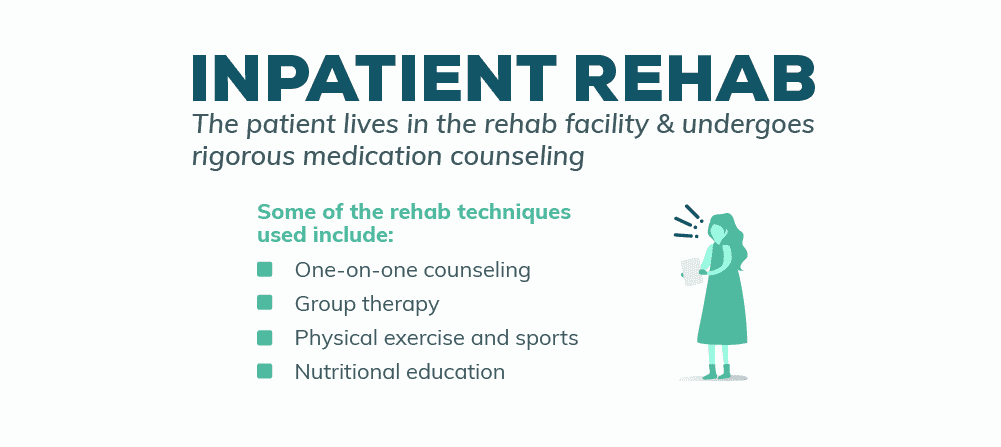
Inpatient rehab (also called residential treatment) involves living at a treatment center for a set period of time. It’s a highly structured environment where your main focus is on healing. Every day follows a schedule filled with therapy, support groups, and healthy activities, all designed to help you build a strong foundation for recovery.
This level of care is usually recommended for people with more severe addictions, co-occurring mental health issues, or unstable living environments where staying sober would be difficult.
How Does Inpatient Rehab Work?
-
24/7 support from medical and clinical staff
-
A full daily schedule of therapy, education, and activities
-
Time away from triggers, stress, and distractions
-
Focus on building new habits and coping skills in a safe space
Types of Inpatient Programs
There are a few different kinds of inpatient programs, depending on what you need most for your recovery:
Traditional Inpatient Rehab:
This type of program focuses on stabilizing you physically and emotionally while providing strong, daily support for early sobriety. Stays typically last anywhere from a few weeks to a few months, depending on your needs.
Residential Treatment Programs:
Residential programs offer a longer-term approach, with stays that can last several months. They combine addiction treatment with life skills training, emotional support, and community living to help you transition back into everyday life at a steady pace.
Dual Diagnosis Inpatient Rehab:
Dual diagnosis programs are designed for people who are dealing with both addiction and mental health conditions at the same time. These programs provide integrated treatment, meaning you get help for both issues together, not separately—which often leads to stronger, more lasting recovery.
What is Outpatient Rehab?
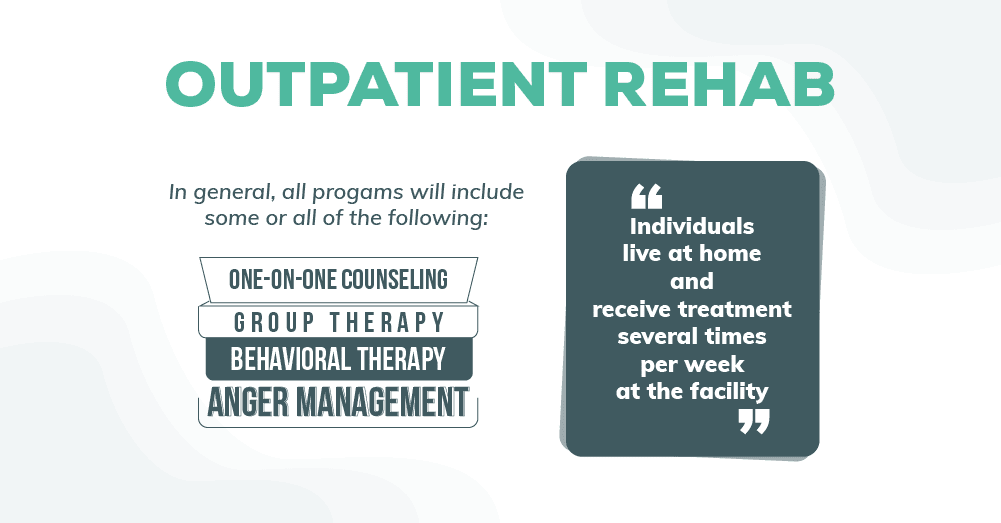
Outpatient rehab allows you to live at home while attending treatment sessions during the day or evening. It’s more flexible than inpatient rehab, which makes it a good fit for people who have strong support systems at home or who need to keep working, going to school, or caring for family during treatment.
Outpatient care can still be very structured, depending on the program. Some people start with a more intensive schedule, then step down to fewer hours of treatment as they make progress.
How Does Outpatient Rehab Work?
-
Scheduled therapy sessions several times a week
-
Opportunities to practice recovery skills in real-world settings
-
Flexibility to balance treatment with work, school, or family needs
-
A strong emphasis on relapse prevention and long-term support
Types of Outpatient Programs
Not all outpatient programs are the same. The level of support can vary depending on what you need at different stages of recovery. Here are the main types:
Partial Hospitalization Program (PHP):
PHP is the most intensive level of outpatient care. You attend treatment for most of the day, several days a week, but still return home at night. It’s often a step down from inpatient rehab or a starting point if you need high-level support without full residential care.
Intensive Outpatient Program (IOP):
IOP offers a strong level of support but with more flexibility than PHP. You typically attend therapy sessions three to five days a week, often in the mornings or evenings, so you can still work, attend school, or handle other responsibilities.
Standard Outpatient Program (OP):
OP involves fewer hours of therapy per week and is usually best for people who have already completed a higher level of care. It focuses more on ongoing support, relapse prevention, and adjusting to life in long-term recovery.
Key Differences Between Inpatient and Outpatient Rehab
Both types of treatment can be effective. It really comes down to what fits your needs, lifestyle, and recovery goals. Here are the main differences to keep in mind:
-
Level of supervision: Inpatient provides 24-hour support; outpatient relies more on your ability to manage triggers outside of sessions.
-
Daily structure: Inpatient is fully scheduled and highly structured; outpatient gives you more free time and flexibility.
-
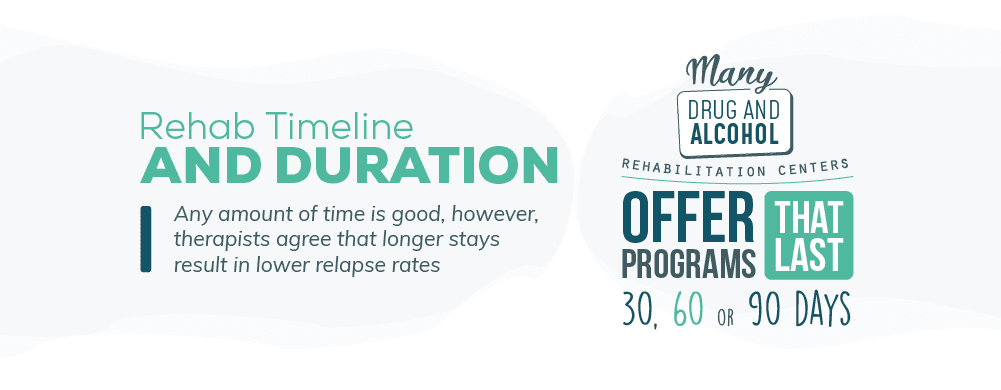
Length of program: Inpatient programs typically last 30 to 90 days, while outpatient programs can range from a few weeks to several months depending on the level of care.
-
Cost: Outpatient rehab is generally less expensive since you’re not paying for housing or round-the-clock care.
-
Lifestyle needs: Outpatient allows you to keep up with work, school, or family obligations; inpatient gives you time away from outside stress to fully focus on recovery.
-
Recovery environment: Inpatient removes you from daily triggers and distractions; outpatient helps you practice new skills while still navigating real-life situations.
How to Choose the Right Program for You
The best program is the one that gives you the support you actually need, not just the one that sounds easiest or most convenient. In fact, instead of choosing one or the other, many people choose to complete an outpatient rehab program as a “next step” after completing inpatient treatment. It helps ease the transition back into daily life by providing a structured environment for ongoing support, while allowing for more freedoms and real-world practice than inpatient care.
However, this isn’t always the case. Some people may choose outpatient treatment later in recovery — for example, after a relapse or during a high-stress period — when they need extra support but don’t require the intensity of inpatient care.
To decide which is right for you, ask yourself a few key questions:
-
Do I need a safe, structured place away from triggers to focus on recovery?
-
Can I stay sober while living at home and managing daily responsibilities?
-
How much support do I have from family, friends, or a sober community?
-
Have I tried outpatient treatment before without success?
-
Am I dealing with any mental health issues that need close monitoring?
If you’re not sure, talking to a professional can help. They’ll assess your situation and recommend the level of care that gives you the best chance to succeed—not just in getting sober, but in staying sober long-term.
Inpatient vs. Outpatient Rehab FAQs
What happens if you relapse while in outpatient rehab?
Relapse is a common part of the recovery journey—not a failure. If it happens, your treatment plan can be adjusted. That might mean increasing the intensity of your outpatient schedule or moving into inpatient care for more support.
Is detox included in inpatient or outpatient rehab?
The answer varies depending on treatment center but at Northpoint Recovery, we offer medical detox for both inpatient and outpatient treatment programs.
Can I go to outpatient rehab if I have a full-time job or kids?
Yes. Many outpatient programs offer flexible scheduling, including evening or weekend sessions, so you can attend treatment while keeping up with work, childcare, or other responsibilities.
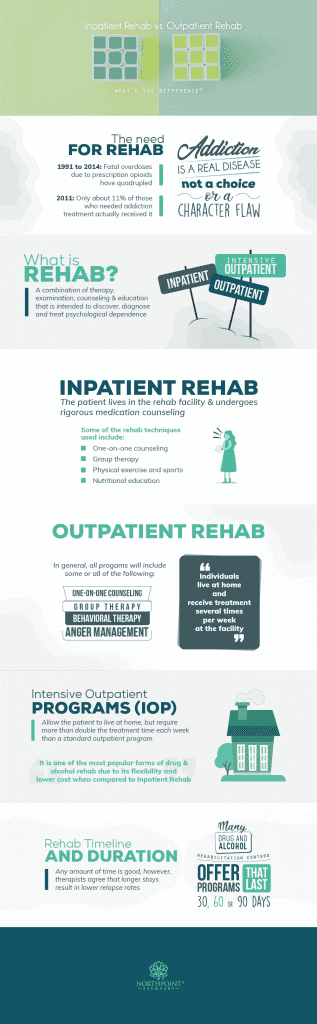
Full Infographic:
Find the Right Fit for Your Recovery Journey
Whether you’re considering inpatient or outpatient care, the most important thing is finding a program that meets you where you are—and gives you the support you need to move forward. Recovery isn’t one-size-fits-all, and the right treatment plan can make all the difference.
At Northpoint Recovery, we offer both inpatient and outpatient programs tailored to your unique needs. Our team is here to help you understand your options and choose the path that’s right for you.
Contact us today to learn more and take the next step toward a healthier, more stable future.